
Pelvic Floor Rehabilitation
Welcome to our specialized pelvic rehabilitation practice,
where we are dedicated to providing expert care for pelvic floor physical therapy.
Pelvic Floor Rehabilitation
Meet Our Specialists: Dr. Makayla and Dr. Cindy
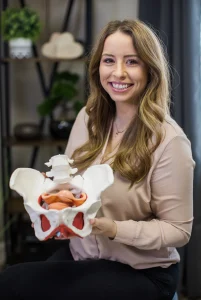
Dr. Makayla Hurst, Pelvic Rehabilitation Specialist
What Is Pelvic Floor Physical Therapy?
Who Can Benefit from Pelvic Floor PT?
Pelvic floor physical therapy is beneficial for a wide range of individuals experiencing symptoms such as:
- Urinary or fecal incontinence
- Pelvic pain or pressure
- Pain during intercourse
- Constipation or difficulty with bowel movements
- Post-surgical pelvic pain or dysfunction
- Diastasis recti (abdominal separation)
- Prolapse of pelvic organs
In addition, patients with conditions like endometriosis, interstitial cystitis, or chronic pelvic pain syndrome often find relief through targeted pelvic floor therapy.
Why Pelvic Floor PT Is Crucial for Pregnant and Postpartum Moms
Pregnancy and childbirth place unique demands on the pelvic floor. During pregnancy, the added weight and hormonal changes can weaken pelvic muscles. Childbirth, whether vaginal or cesarean, can result in trauma to these structures. Pelvic floor physical therapy is essential for:
- Preparing the body for labor and delivery
- Strengthening and stabilizing the pelvic floor during pregnancy
- Aiding recovery post-delivery
- Addressing incontinence or pain after childbirth
Ignoring pelvic floor dysfunction after giving birth can lead to long-term issues such as prolapse, chronic pain, or ongoing incontinence. Early intervention with a pelvic health specialist can prevent these complications and promote optimal recovery.
Long-Term Conditions from Untreated Pelvic Floor Issues
Without proper treatment, pelvic floor dysfunction can evolve into chronic conditions, including:
- Persistent urinary or fecal incontinence
- Pelvic organ prolapse
- Sexual dysfunction
- Chronic pelvic or back pain
- Reduced mobility and diminished quality of life
How Pelvic Floor PT Can Help with Incontinence
Incontinence, whether urinary or fecal, can be a source of embarrassment and discomfort. Pelvic floor physical therapy offers effective solutions by:
-
Strengthening weak pelvic muscles
-
Improving coordination and control of these muscles
-
Teaching bladder and bowel retraining techniques
-
Addressing contributing factors, such as posture or core weakness
Through personalized treatment plans, we help patients regain control and confidence, improving their daily lives.